

Posted At: Aug 12, 2026 - 63 Views
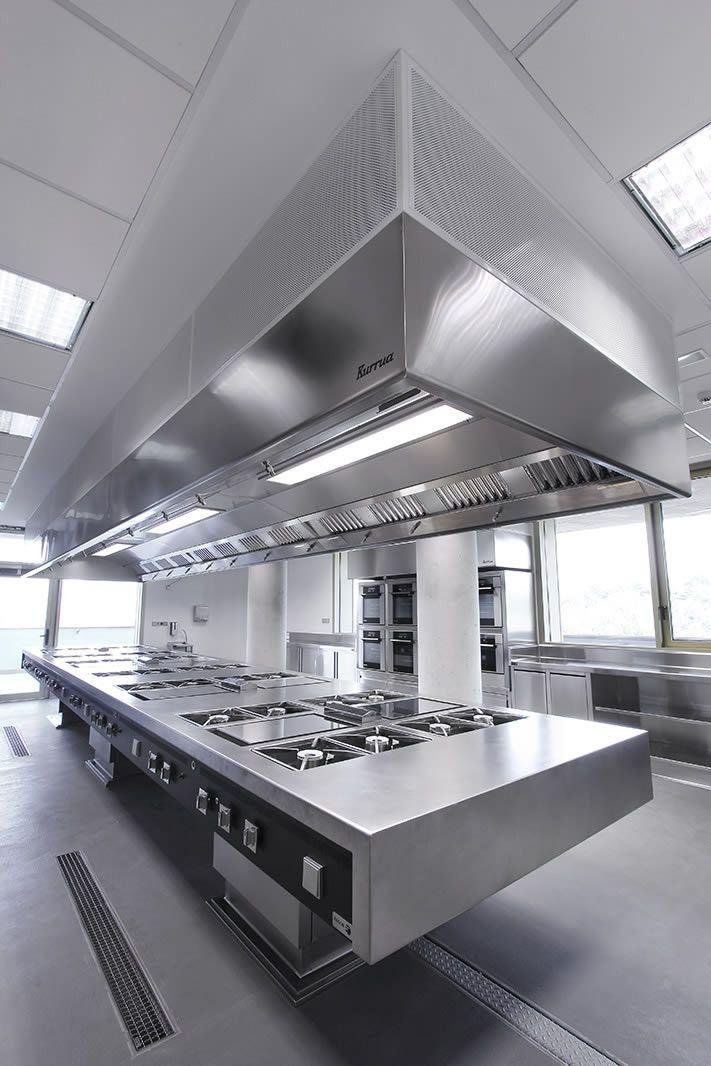
Commercial Kitchen Exhaust Hood & Ventilation System Guide
A commercial kitchen exhaust hood system is an indispensable safety and environmental solution for restaurants, hotels, and central catering facilities. Beyond removing smoke and cooking odors, an exhaust system extracts airborne grease, moisture, and intense heat while introducing fresh make-up air. This process maintains healthy indoor air quality, regulates ambient temperatures, protects kitchen staff from hazardous fumes, and ensures strict compliance with fire and municipal health codes.
Core Components of a Professional Kitchen Ventilation System
A complete commercial exhaust system comprises interconnected components engineered to capture and filter grease before discharging air externally.
Stainless Steel Hood Canopy
Installed directly above hot-line equipment (fryers, ranges, and charbroilers), the hood canopy is crafted from heavy-gauge AISI 304 stainless steel to withstand high thermal loads and resist grease buildup.
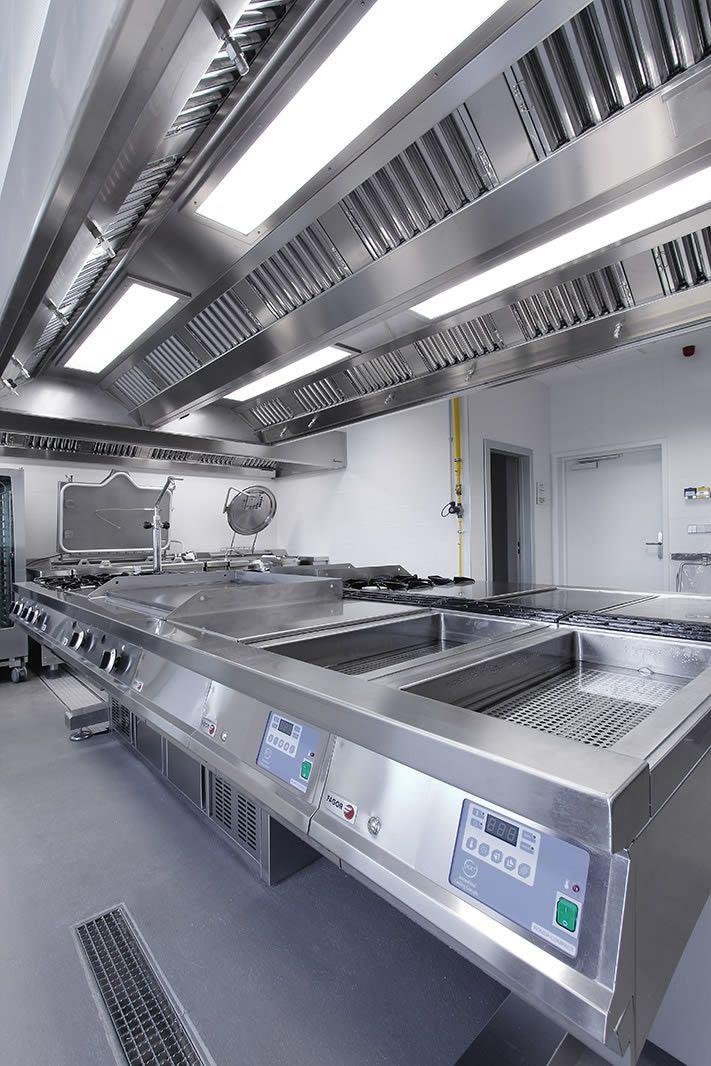
Stainless Steel Baffle Grease Filters
Baffle filters mounted inside the canopy force grease-laden air to change direction rapidly. Centrifugal force condenses grease droplets onto the filter surfaces, draining them safely into collection cups and keeping main exhaust ducts grease-free.
Comparison: Type I vs Type II Exhaust Hoods
| Feature / Criteria | Type I Commercial Exhaust Hood | Type II Commercial Exhaust Hood |
|---|---|---|
| Target Emissions | Smoke, grease, oil vapors, and heavy heat | Heat, condensation, steam, and non-grease odors |
| Equipment Application | Installed over fryers, charbroilers, ranges, and ovens | Installed over commercial dishwashers and steam kettles |
| Fire Suppression System | Requires integrated fire suppression (e.g., Ansul) | Fire suppression systems are not required |
| Filter Specification | Equipped with heavy-duty stainless baffle filters | Uses basic steam deflectors or simple exhaust grilles |
Safety Compliance and Preventive Hood Maintenance
Regular cleaning and maintenance of kitchen ventilation equipment serve as the primary defense against commercial kitchen fires.
Daily and Weekly Baffle Filter Washing
Remove stainless steel baffle filters routinely and wash them using heavy-duty degreasers to prevent clogged airflow and ensure maximum suction power.
Professional Ductwork and Fan Degreasing
Schedule professional duct and exhaust fan cleaning every 3 to 6 months. Removing accumulated grease from internal duct walls eliminates severe fire hazards caused by high flue temperatures.