

Posted At: Aug 15, 2026 - 174 Views
Commercial Salad & Sandwich Prep Tables Buying Guide
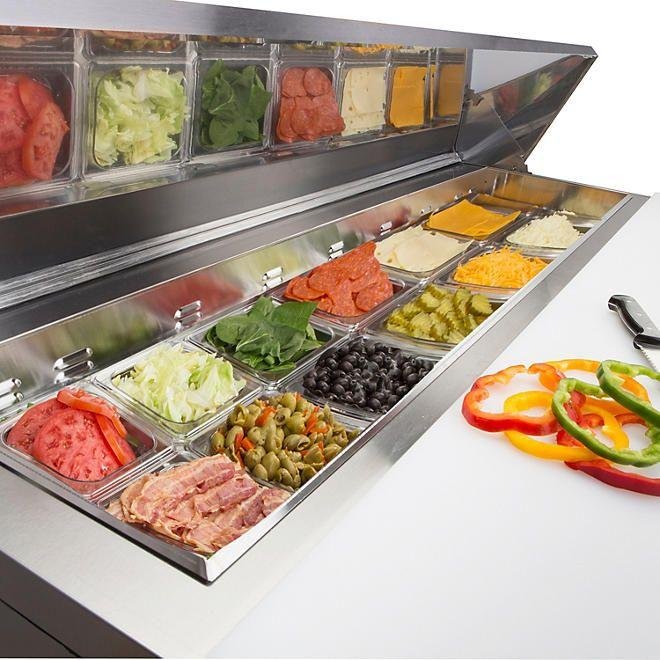
Refrigerated salad and sandwich prep tables serve as vital prep stations that streamline order assembly in fast-casual restaurants, deli shops, and cafes. Integrating an under-counter refrigerated cabinet with a top pan rail holding Gastronorm (GN) food pans and a full-length cutting board, these prep tables allow line cooks to assemble sandwiches and salads rapidly. The system continuously maintains sensitive ingredients—such as sliced meats, cheeses, and cut produce—within strict food safety temperature zones (+1°C to +4°C).
Technical Features of Refrigerated Prep Counters
Modern prep tables incorporate advanced airflow technology to preserve food quality across both top rail pans and lower storage cabinets.
Forced-Air Dual Refrigeration Systems
Equipped with specialized air-curtain cooling, prep tables circulate chilled air over the top pan openings and throughout the lower storage base, keeping exposed ingredients cold without drying them out.
Integrated Sanitary Cutting Boards
Featuring high-density, food-grade polyethylene cutting boards that can be easily removed for washing, paired with a heavy-duty AISI 304 stainless steel body that resists corrosion and moisture.
Comparison: Sandwich Prep Tables vs Pizza Prep Tables
| Feature / Criteria | Sandwich & Salad Prep Tables | Commercial Pizza Prep Tables |
|---|---|---|
| Cutting Board Depth | Standard depth tailored for wrapping sandwiches & bowls | Extra-deep workspace accommodating large pizza pans |
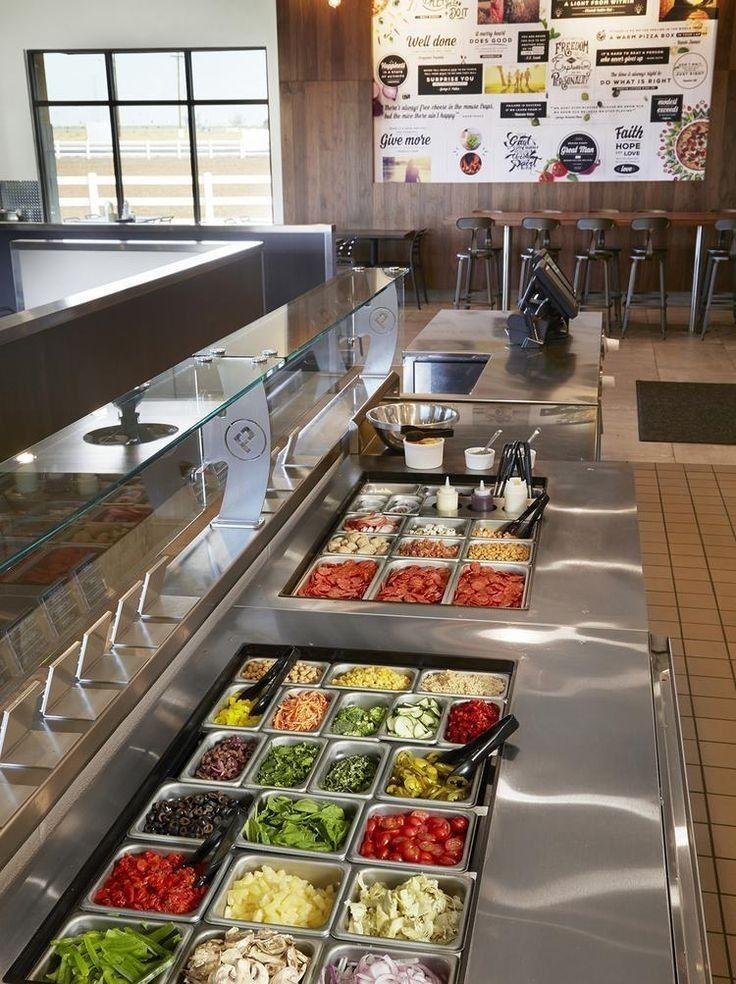
| Top Rail Pan Capacity | Accommodates smaller fractional pans (GN 1/3 or 1/6) | Holds larger, deeper pans for high-volume toppings |
| Worktop Material | High-density removable poly cutting board | Raised rail with a cold granite or marble work surface |
| Best Application | Delis, shawarma shops, and salad bars | Pizzerias, bakeries, and pie assembly lines |
Selection Criteria and Maintenance Protocols
Executing routine maintenance protocols preserves internal temperatures and protects refrigeration compressors.
Deploying Insulated Night Covers
Kitchen staff should close the hinged stainless steel top hoods during slow hours and after shifts. Closing night covers retains cold air over top pans, reducing compressor workload and lowering energy costs.
Clearing Pan Rail Air Ducts
Food debris falling into top pan rails can block air circulation vents and strain fans. Wiping and sanitizing top rail channels daily prevents airflow blockages and maintains consistent pan temperatures.